Did you know many women first notice perimenopause through changes that do not seem hormonal at all?
It might be poor sleep that suddenly becomes common, periods that change without warning, feeling more anxious than usual, or struggling to concentrate during a busy week.
Because symptoms often arrive gradually, many women spend months explaining them away as stress, work, parenting or simply getting older.
This article looks at the signs women often brush aside at first, what perimenopause actually involves, and the kinds of support that can help make this stage feel easier to manage.
What this article covers
- The difference between perimenopause and menopause
- Symptoms women often notice first
- Why this stage can feel more difficult than expected
- When it’s worth speaking with a GP
- Support available through women’s health appointments
Perimenopause and menopause are not the same thing
Many people use the word menopause to describe the entire hormonal transition, but menopause itself is the point when periods have stopped for 12 months.
Perimenopause happens beforehand and can begin years earlier, often during a woman’s 40s.
During this stage, hormone levels fluctuate more unpredictably, which is why symptoms can feel inconsistent.
Some women notice only mild changes, while others find symptoms begin affecting sleep, mood, concentration and day-to-day routines more noticeably.
The symptoms women often notice first
Hot flushes are well known, but they are not always the first sign.
Many women first notice:
- Broken or lighter sleep
- Brain fog or forgetfulness
- Feeling more irritable or anxious
- Changes in energy levels
- Heavier or less predictable periods
- Headaches
- Reduced patience or concentration
Some women also notice joint aches, night sweats, vaginal dryness or changes in libido.
Because these symptoms often appear gradually, they are easy to dismiss individually, especially when life is already busy.
FYI: What exactly are hot flushes? They’re sudden feelings of heat that can spread through the face, neck and chest, sometimes accompanied by sweating, flushed skin or a rapid heartbeat, and they often happen without much warning.
Why this stage can catch women off guard
Did you know most Australian women reaching perimenopause are also managing one of the busiest stages of adult life?
For many women, this period overlaps with career progression, raising teenagers or younger children, supporting ageing parents, maintaining relationships and trying to keep up with everyday responsibilities.
When symptoms arrive slowly, they often get pushed aside rather than recognised as part of a hormonal shift.
Poor sleep gets blamed on stress. Fatigue becomes “normal”. Mood changes are explained away as being overwhelmed.
That is part of what makes perimenopause frustrating for many women, and can sometimes cause friction in their lives. The symptoms are real, but they do not always look the way people expect.

When it’s worth speaking with a GP
You do not need to wait until symptoms feel severe.
Many women book an appointment when they notice:
- Sleep problems that keep returning
- Ongoing fatigue or brain fog
- Periods becoming heavier or unpredictable
- Anxiety or low mood that feels different from usual
- Symptoms starting to affect work, relationships or daily life
- A general sense that something feels “off”
Sometimes reassurance is enough. Other times, women benefit from further support or treatment options.
What support can look like
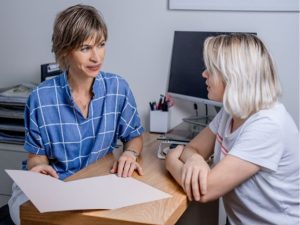
Often, women simply want time to discuss what they have been noticing and whether it sounds consistent with perimenopause or menopause.
Support may include:
- Talking through symptoms properly. This can help identify patterns that are easy to miss when symptoms appear gradually or seem unrelated from week to week.
- Reviewing cycle changes and general health. Important because changes in periods, energy levels or mood are not always caused by perimenopause alone, and it helps give a clearer picture of what may be contributing.
- Discussing sleep, mood and energy levels. Something that many women struggle with during perimenopause, particularly when poor sleep and fatigue start affecting concentration, patience and everyday routines.
- Exploring treatment options if appropriate. Support is different for everyone and may range from lifestyle changes and symptom management through to medical treatment where suitable.
- Creating a plan for ongoing support.
Symptoms and priorities can change over time, so having follow-up support can make the transition feel more manageable and less overwhelming.
At Trident Medical Centre, women can choose to see a female GP for women’s health appointments, including support around menopause and perimenopause.
If you’ve been noticing changes that do not quite feel like your usual self, you are certainly not alone.
For many women in Officer, Pakenham and surrounding areas, having a conversation early can make this stage feel far more manageable and much less confusing.