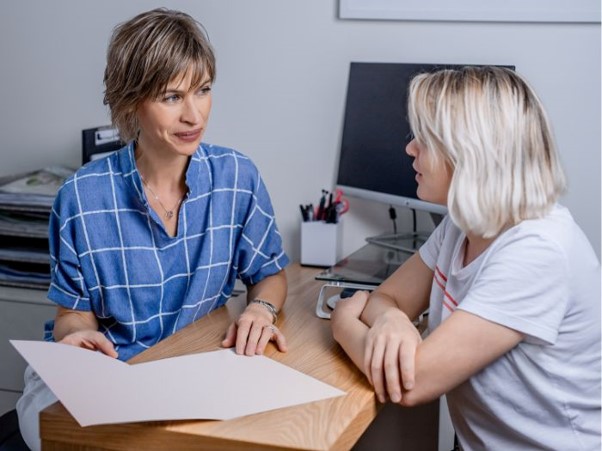
If your last cervical screening was a few years ago, you may still be completely up to date.
The Cervical Screening Test is generally recommended every five years, and eligible women can now choose to collect their own sample.
There are also a few differences from the older Pap smear that are useful to know.
This article explains when you’re due, what the two collection methods involve and what happens after your test.
We’ve also included a Women’s Health Check-In to help look at other changes you may have been putting up with, but may not have to.
Pap smear or Cervical Screening Test?
The Pap test was replaced by the Cervical Screening Test in Australia in 2017.
The difference is what the test looks for.
Pap tests looked for abnormal cells in the cervix, while the Cervical Screening Test checks for human papillomavirus (HPV), which causes almost all cervical cancers.
Because HPV can be detected before abnormal cell changes develop, most eligible people only need routine screening every five years rather than every two years.
When are you due for cervical screening?
Routine cervical screening is recommended for women and people with a cervix aged 25 to 74 who have ever had any sexual contact, generally every five years.
Your screening schedule can be different if you’ve previously had an abnormal result or require follow-up, so check your screening history or speak with your GP if you’re unsure.
Cancer Council Australia provides further information about cervical and other cancer screening tests for women.
You can collect your own sample
One of the biggest changes to cervical screening is the option to self-collect.
If you feel nervous or uncomfortable about cervical screening, self-collection can make the process much easier. Eligible women can take their own vaginal sample using a small swab, in private at the clinic, with guidance available if needed.
In some circumstances, self-collection can also be arranged outside the clinic, so ask your doctor what’s available and appropriate for you.
Your doctor can explain which approach suits you, particularly if you have symptoms or a previous cervical screening result that needs follow-up.
Want to see what self-collection involves? This short Australian Government video shows how to take your own Cervical Screening Test sample, step by step.
Women’s Health Check-In: Have You Been Putting Up With More Than You Realise?
Think about the past three months. For each question, choose the response that best describes your experience.
1. Have period pain, heavy bleeding or unpredictable periods interfered with your plans?
2. Has poor sleep left you noticeably tired or less focused the following day?
3. Have changes in energy made work, exercise, parenting or social plans harder?
4. Have brain fog or concentration problems regularly interrupted your day?
5. Have changes in mood, irritability or anxiety felt different from what's normal for you?
6. Have you experienced pelvic discomfort, pain during sex or changes in your sexual health?
7. Does your current contraception no longer suit your needs, lifestyle or plans?
8. Have you been putting up with any of these changes because you've assumed they're related to stress, periods or getting older?
If sleep, cycle, mood or concentration changes featured strongly in your answers, our article When Menopause Symptoms Start Gradually, They’re Easy to Miss explains the early signs of perimenopause in more detail.
This broader check-in also fits with Jean Hailes Women’s Health Week in September, This year’s theme, “do it anyway”, focuses on taking small, realistic steps towards your health.

What happens after your Cervical Screening Test?
Your sample is sent to a laboratory to check for HPV.
- If HPV isn’t found, you’ll generally return to routine five-yearly screening.
- If HPV is detected, the next step depends on the type of HPV found and your screening history. An HPV-positive result does not mean you have cervical cancer.
Symptoms need a different approach
Routine cervical screening is designed for people without symptoms. Don’t wait for your next screening date if you develop unexplained bleeding between periods, bleeding after sex, unusual vaginal discharge or persistent pelvic pain.
These are among the important symptoms that should be assessed by a doctor.
If your cervical screening is due, Trident Medical Centre can arrange your test and explain whether self-collection or clinician collection is appropriate.
If your check-in quiz highlighted period changes, pelvic symptoms, contraception concerns or possible hormonal changes, these can also be discussed during a women’s health appointment.