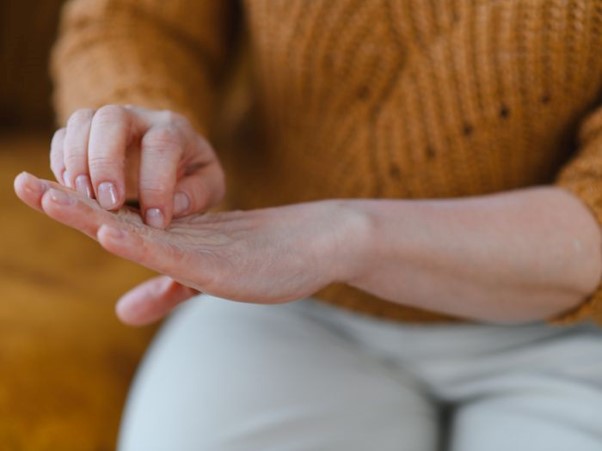
Dry skin is almost expected during a Victorian winter. Between colder weather, indoor heating and hot showers, it’s common to notice rough patches, flaky skin or cracked hands.
That’s also why changing moles, slow-healing sores and spots that keep returning are often overlooked during winter. This article explains what to watch for and why many people choose winter for a skin check.
What this article covers
Dry skin or something else?
Most winter skin problems improve with time, moisturiser and a little extra care. Others continue changing regardless of what you put on them.
It’s worth paying attention if you notice:
- A dry patch that hasn’t improved after several weeks
- A spot that regularly crusts or bleeds
- A sore that is unusually slow to heal
- A mole changing in colour, shape or size
- A new lump or spot that wasn’t there before
If you’d like to learn more about changing moles and early warning signs, our article What Your Skin May Be Showing After Summer explains what to look for in more detail.
Why winter is a good time for skin checks
Many people wait until summer to think about their skin, but winter often makes practical sense.
Understanding why Australia has one of the highest skin cancer rates in the world. This short SBS video explains the risks and how to protect yourself and your family.
Healing skin is easier to protect from strong UV exposure, treated areas are generally easier to keep covered with clothing, and arranging a skin check now means any follow-up treatment can often be completed before the warmer months return.
Could You Benefit from a Winter Skin Check?
Select all statements that apply to you.
Can a GP remove suspicious spots?
Many people are surprised to learn that biopsies, mole removal and a range of skin cancer procedures can often be performed by an experienced GP using local anaesthetic, without needing to visit hospital.
Find more about Skin Cancer Checks and the procedures available at Trident Medical Centre here.
If you’ve been meaning to organise a skin check, winter is an ideal time to do it. Whether you’re concerned about a changing mole, a slow-healing sore or simply want peace of mind, having your skin assessed now means any follow-up treatment can often be completed well before summer returns.